

Guy Lomas: Supporting Dale Techniche’s Continued Growth in 2026
February 11, 2026Guy Lomas: Supporting Dale Techniche’s Continued Growth in 2026
February 11, 2026Care, Compliance and QR Traceability: Are You Looking After Your PPE?
Personal protective equipment (PPE) and specialist workwear are designed to do one thing above all else: protect the wearer. Whether it’s flame-retardant jackets, hi-vis coveralls or cut resistant sweatshirts, their performance is critical to workplace safety and legal compliance.
However, protection is only effective if garments are properly maintained. Knowing when to replace PPE, how to store it correctly and how to verify its specifications can make a significant difference.
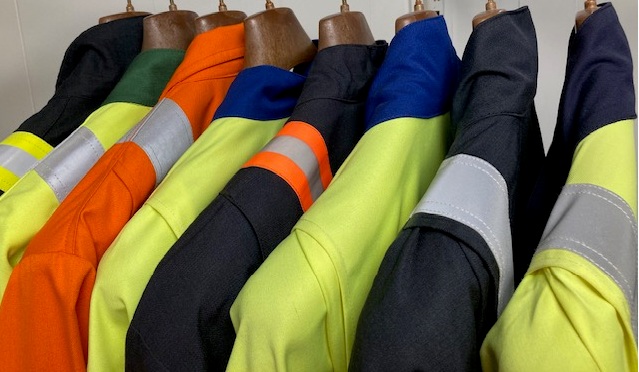
Knowing when to replace PPE
Workwear and PPE don’t usually come with a “use by” date. However, the absence of an expiry label should never be mistaken for unlimited lifespan. Protective garments should be assessed according to their condition, fit and ongoing performance rather than simply their age.
Visible deterioration is often the clearest indicator. Tearing, fraying seams or fabric thinning can compromise protective reliability. Permanent staining from chemicals or biohazards may indicate contamination beyond safe recovery.
In hi-vis garments, reflective tape that has faded, cracked or started to peel can significantly reduce conspicuity in low-light conditions. Additionally, if garments no longer fit or restrict movement, they may no longer provide the correct level of protection intended.
Generally, PPE should be replaced when it is damaged, excessively soiled, deformed, ill-fitting or no longer functioning as originally designed. If there is any doubt about its effectiveness, that alone is often reason enough to take it out of service. Confidence in PPE is essential to protecting the wearer’s safety and ensuring businesses meet their legal obligations.
The importance of correct care
Care does not end once a shift is over. Storage conditions can significantly influence the lifespan and performance of protective garments. PPE should be kept in environments that are clean, cool, dry and protected from direct sunlight.
Excessive heat, moisture and UV exposure can gradually degrade specialist fabrics and treatments, including flame retardant finishes and chemical resistant coatings. Through storing PPE correctly, businesses not only extend the operational life of garments but also maintain their certified protective qualities.
Similarly, the way garments are laundered must be carefully considered. Care instructions can vary depending on whether the item is flame resistant and arc flash protective, designed for molten splash environments, or manufactured as a specialist flight suit. Washing or tumble drying at incorrect temperatures can compromise the integrity of protective fibres and finishes, potentially reducing the garment’s ability to perform as certified.
Digital traceability through QR technology
At Dale Techniche we include a unique QR code heat sealed into each garment. When scanned, this code directs the user to a platform, where we provide immediate access to key garment data.
The QR code in each garment is unique to that item of clothing, it includes the date of manufacture, full technical specification and comprehensive user information. The result is complete traceability for every garment produced.
Here is an example of the detailed information available: https://www.daledoc.co.uk/wp-content/uploads/2019/04/A15D-User-Information.pdf).
The benefits of this approach are both practical and strategic. Instant access to verified specifications supports internal audits and compliance checks. It reduces reliance on paperwork that may be misplaced over time. It also enables organisations to monitor garment age and plan replacement cycles more effectively.
Protection that performs
Workwear and PPE represent more than uniform; they are a frontline defence against workplace risk. Maintaining them correctly ensures they continue to perform as certified and intended.
Recognising when garments have reached the end of their effective life, storing them properly and utilising digital traceability tools such as our integrated QR codes, organisations can strengthen both safety standards and regulatory compliance.
For any advice, or questions on the effectiveness of your workwear and PPE or if you think it is time for a refresh, chat to one of our specialists today.
